

By T.K. Wilson (Rated G)
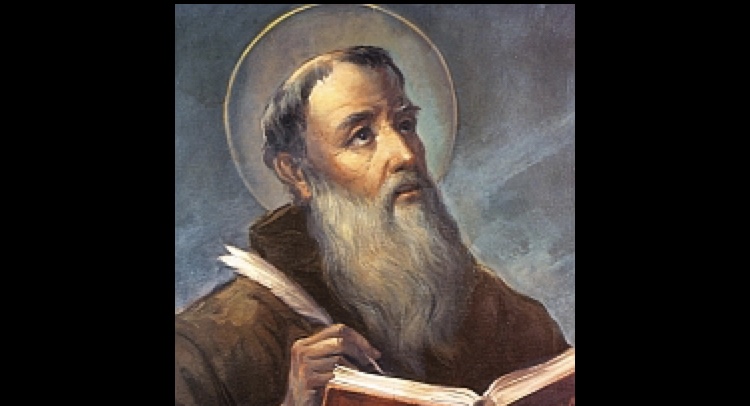
Lawrence of Brindisi (also called Lorenzo in his native Italy) was born to wealthy parents in 1559, who baptized him under the name of Julius Caesar Russo. As a young boy, his piety and great oratorical skills were already evident. There is an Italian Christmas custom that young boys can get up and preach a sermon in a church in memory of Jesus in the Temple, and at the age of six, the future Brother Lawrence delivered a sermon so great that even adults were moved to do better in their Christian walk.
When he joined the Capuchin order at the age of sixteen, Lawrence threw himself into translation work, becoming a noted polyglot, speaking at least five languages. Though he preferred the life of a monk in solitude, Lawrence was called to preach in all the great cities of Italy, where many were converted. When he arrived in Rome, Pope Clement VIII appointed him as his envoy to the Jews of Rome, as he was fluent in Hebrew and was familiar with many Rabbinical works. The Jews even believed that he was one of their kinsmen who had become a Christian, and with his gentle, humble example, many became Christians.
The Pope then sent Lawrence to start religious houses in Germany and Austria as part of the Counter Reformation. There, he was able to negotiate for equal treatment for Catholics and mediate disputes between the Catholic kings of the German states. Holy Roman Emperor Rudolph II would later appoint him Chaplain of his army as they fought the Ottoman Turks trying to invade German soil. Lawrence gave the outnumbered German army courage, and even led the charge, crucifix in hand.
Upon his return to his native Naples, Lawrence was once again shoved into politics. The people of Naples were oppressed by an unjust viceroy under King Phillip II of Spain and begged him for help. Though old and weak, he got up and went to Spain, then Portugal searching for the King to deliver his message. Once King Philip heard the news, he dismissed the viceroy forthwith.
This final trip for the benefit of his countrymen cost Lawrence his life. He went to his reward on July 22, 1619, leaving behind an extensive body of work.
May we, like Lawrence, use our gifts to the glory of God.
Sources:
newadvent.org/cathen/09359a.htm
franciscanmedia.org/saint-of-the-day/saint-lawrence-of-brindisi/
mycatholic.life/saints/saints-of-the-liturgical-year/july-21-saint-lawrence-of-brindisi-priest-and-doctor/
roman-catholic-saints.com/saint-lawrence-of-brindisi.html
 LogoSophia Magazine