
I’m gonna come right out and say it: no, Gaston is not the hero of Disney’s Beauty and the Beast and making him into one misunderstands the plot and cheapens true masculinity.
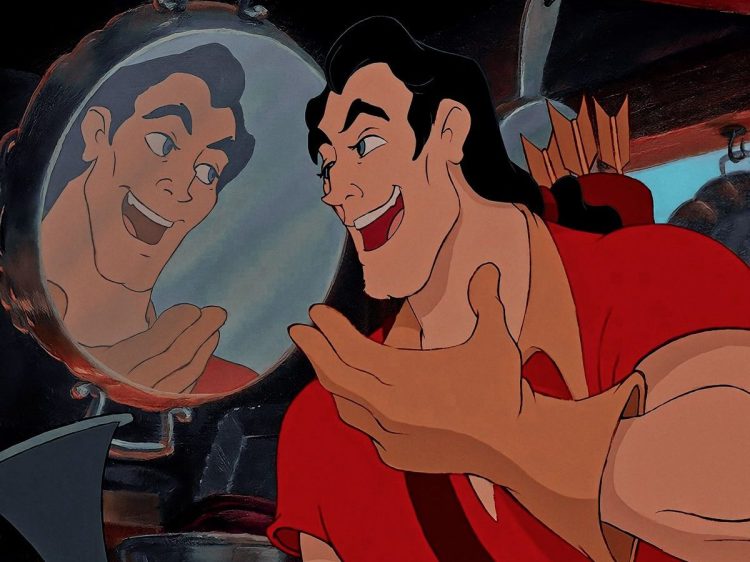
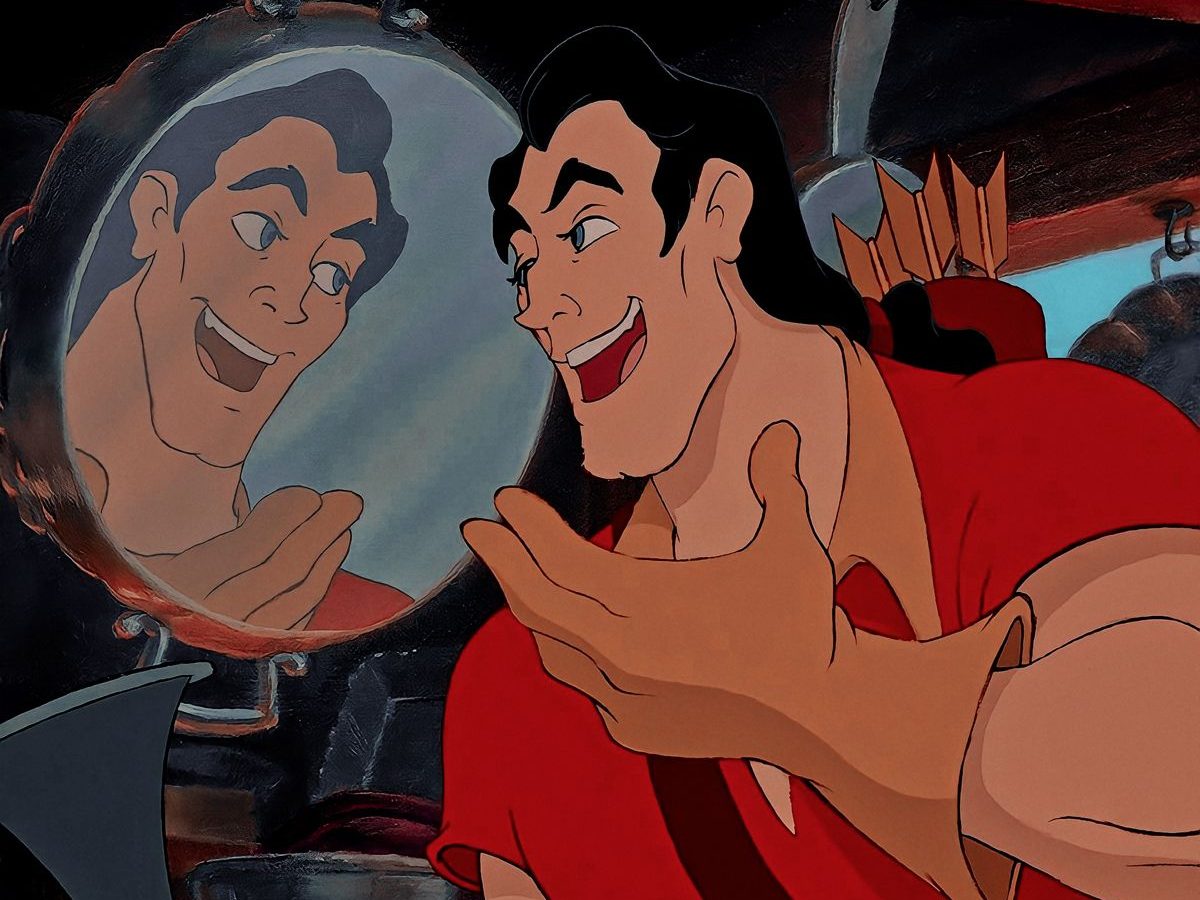
That being said, Gaston is a well-written character. He’s a real human being that you might meet. Heck, I hear people like Gaston on Podcasts all the time. He’s an interesting character; he’s not just a mustache-twirling villain. He sees himself as the hero, the protagonist of the story, come to vanquish monsters and save the woman he claims to love. He’s a great hunter, loved and admired by the whole village; what they’d call a “chad” nowadays. He’s what I would call an “anti-villain”. Having watched the, admittedly, mediocre 2017 remake, I am struck by the fact that I don’t really remember most of it, except for Gaston’s scenes. He’s a memorable character. At times, he’s difficult to hate, but he’s no real hero.
What people nowadays get wrong is stating that those qualities make Gaston a hero. That is not the case. What they don’t understand, for one, is that there is no Gaston character in the original versions of Beauty and the Beast. Those stories have no clear antagonist. The writer of the Disney film added him to create drama, and to mock masculinity. And that reason alone is why Gaston is not a hero and not someone you should emulate.
Gaston’s masculinity is a cheap copy of real manly virtue. He’s the Andrew Tate of the story. To put it bluntly, he’s the “beer, guns, and boobs” version of masculinity. Not there’s anything wrong with any of those things; quite the contrary, but being a man is so much more than those. Being a man is about virtue.
Gaston is brash, rude, arrogant, self-absorbed, pushy and intemperate. A real man should be humble, decent, kind, self-sacrificing, and self-disciplined. A real man can be all of these things without sacrificing his masculinity. Aragorn, for example, is fierce in battle and a great king, but he is tender and compassionate toward Frodo and the other hobbits. He is gentle to Arwen, but offers no such mercy to the orcs. He weeps over the body of Boromir, and with the same breath, slays the orcs that killed him.
Gaston wants Belle for his own self-centered reasons; to make her his servant, essentially, and have her as eye-candy. He wants Belle for himself. A selfish love that wants the other to be consumed. In contrast, John Carter of Mars would happily sacrifice everything for Deja Thoris’ happiness, including his own life. Yes, Gaston goes to kill the beast, but Gaston is an experienced hunter and he has an entire village to back him up. It’s hardly a real risk.
The trouble is nowadays young men have been fed a steady stream of propaganda that 1) this is what all masculinity looks like, and 2) all masculinity is bad. This is being reinforced by the mass media, the school system and certain popular podcasters like the Tate brothers. Children grow up thinking that this parody of masculine virtue is the real thing and we wonder why so many girls are turning to feminism and young men are becoming increasingly extreme.
By turning Gaston into the hero, you are playing directly into the radical feminists’ hands. You are giving fuel to their fire. You’re just giving them ammunition. By emulating Gaston, you are perpetuating some of the worst facets of masculinity. You are cheapening yourselves and all you could be. You are throwing it away for an ugly lie. Don’t fall for the lie. Don’t be like Gaston.
 LogoSophia Magazine