
By Ian Wilson
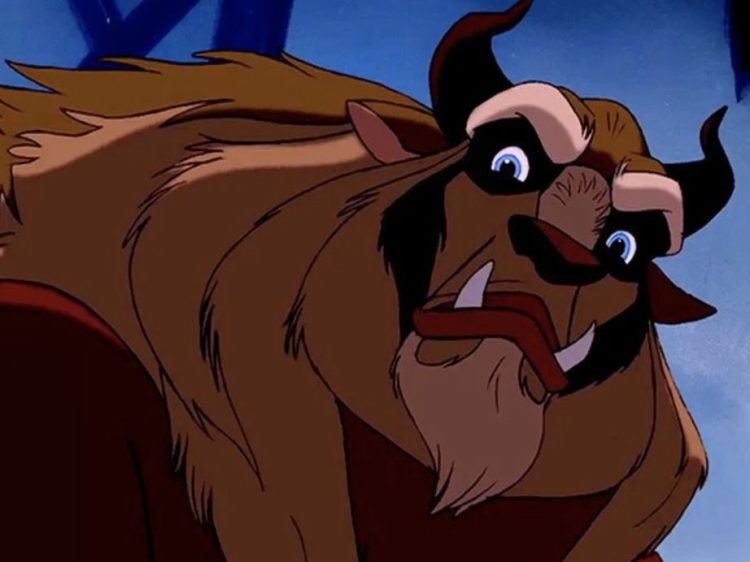
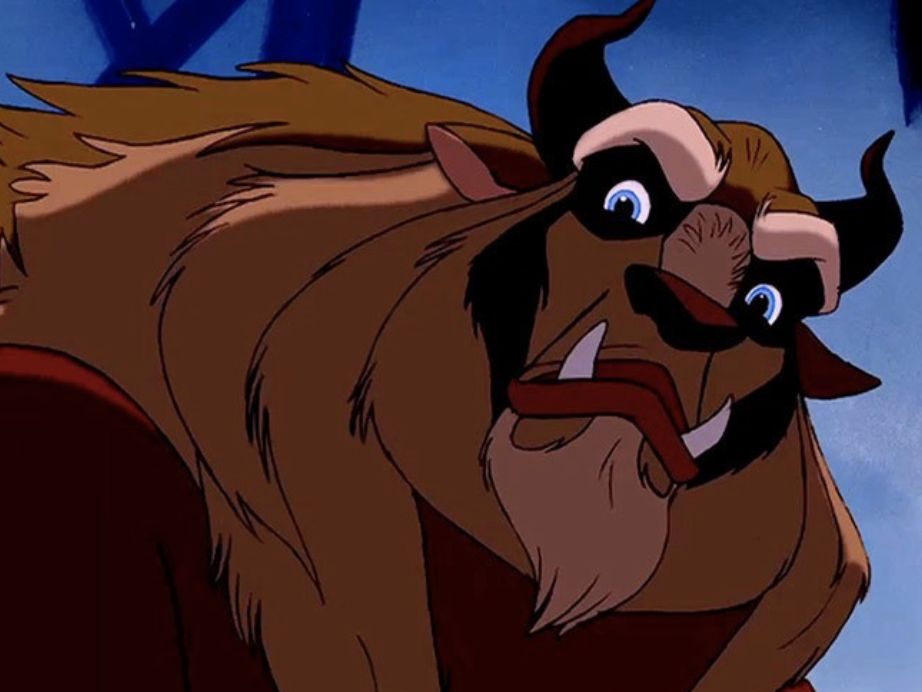
Yes, I know, I just got done tearing apart Gaston, now it’s time to move onto the Beast. I will start by saying the Beast is not a monster; the Beast is you and I.
What the people who treat Gaston as a role model (we shall call them “Gastonists”) miss is that Beauty and the Beast is a deeply Christian story. It’s not a story about man vs. beast; it’s a story about the redemptive power of love.
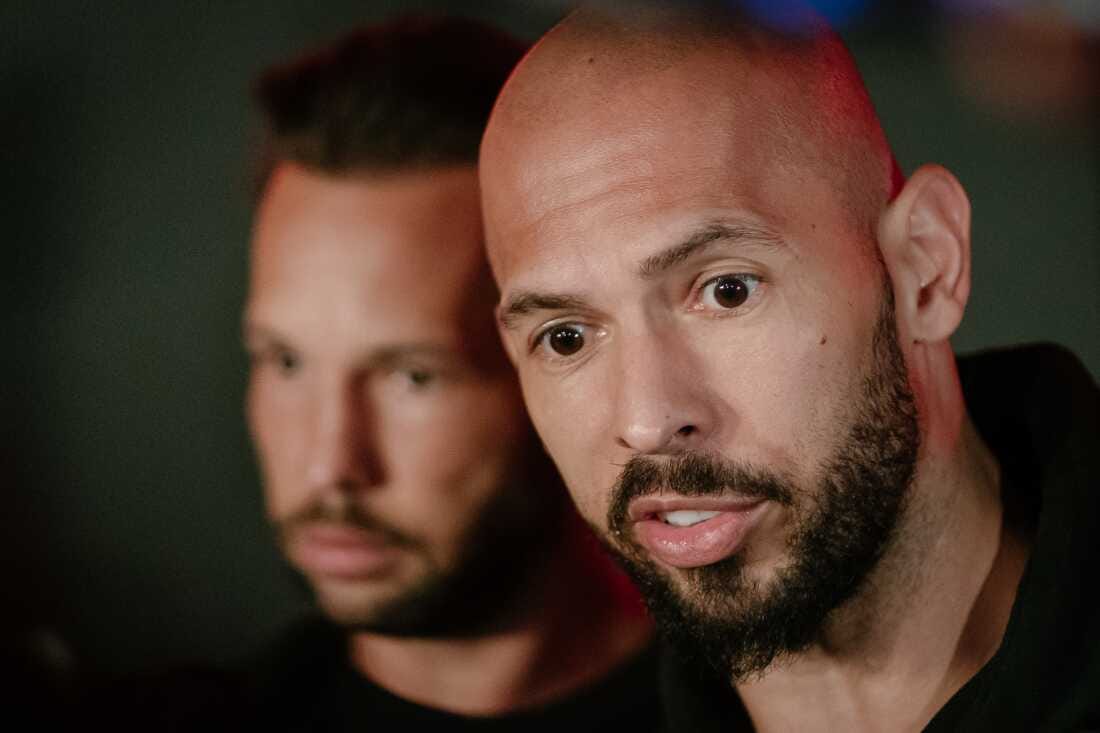
The Gastonists miss the point entirely, you see, by judging the Beast on his appearance. The whole damn point of the story is that we do NOT judge based on appearance alone! I don’t know why that’s so hard to grasp, but then again, this does generally come from people who think this is peak masculinity:
I will concede their point that the Beast starts the movie as a monster. He appears to have no redeeming qualities whatsoever. He is brutish, rude, intemperate, spoiled, and just generally unpleasant to be around. And Belle is having none of it. No! She will not tolerate the Beast’s toxic behavior one bit. Any time the Beast loses his temper and treats her poorly, she separates herself from him, refusing to play into his rage. If he wants to win her over, he must learn to behave like a decent human being. He must learn manners, chivalry, clemency and above all, love. Not merely the romantic kind, but true, self-sacrificing, love. The kind of love that puts others first. The kind of love Gaston is incapable of. Once the Beast learns to treat Belle like a lady, then, and only then, does Belle consider the possibility of friendship— Romantic love is still a long way off.
The great Roman Catholic writer, G.K. Chesterton once said that the great lesson of Beauty and the Beast is “that a thing must be loved before it is lovable.” This is very true. In the film, the Beast is not only grotesque in appearance, but also thoroughly unpleasant, as I established above. And returning to my main point, I will reiterate: we are all the Beast. We are all capable of being selfish, rude, and losing our tempers, and like the Beast, we are all in desperate need of love above everything else. And it is that love that has the power to redeem.
C.S. Lewis once said that “Love is not affectionate feeling, but a steady wish for the loved person’s ultimate good as far as it can be obtained.” The Beast demonstrates this love when he allows Belle to return to the village to rescue her father who has been imprisoned by our favorite antagonist, Gaston. The Beast does this, knowing full well he may have sealed his doom; he will remain a Beast forever. But Belle’s happiness has become more important to him than his freedom. That, ladies and gentlemen, is true love.
His ultimate redemption comes when he sacrifices his life for Belle. The Holy Scripture says, in the 15th chapter of John: “Greater love hath no man than this, that a man lay down his life for his friends.” The Beast learns a love that goes beyond Gaston’s selfish infatuation, beyond romantic love, the highest and noblest form of love.
So you see, the Beast is not just some monster for the “hero” Gaston to kill; he is you and me. Far from being just a Beast, he is among the most human characters in all of fiction.
 LogoSophia Magazine