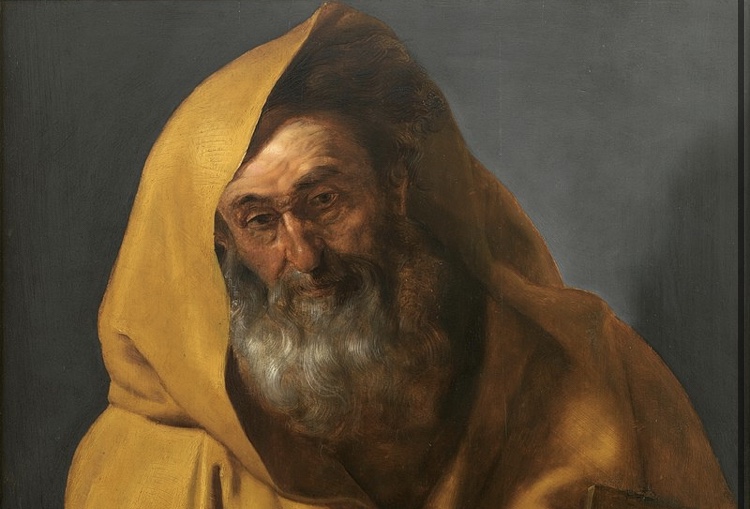
By T.K. Wilson … James, the son of Alpheus, was one of the original Twelve Apostles called by Christ at the start of his ministry. According to tradition, he is one of Jesus’s cousins or half-brothers and brother of St. Jude. He is called “the Lesser ” or “The Just ” to avoid confusion with James son of Zebedee – though even this is disputed!
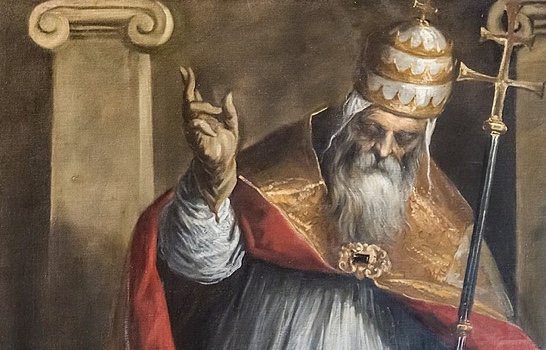
By Lyn Wilson … Pope Cletus, sometimes known as Anacletus, was the third Bishop of Rome after St. Peter and Linus. We know very little about this man’s life and yet his name is remembered through history.
By Lyn Wilson … Polycarp, Bishop of Smyrna (in Asia Minor), was a disciple of Jesus Christ and the Apostle John. God in his mercy gave Polycarp eighty-six years on this earth before his death as a martyr. Why is Polycarp important to us today?
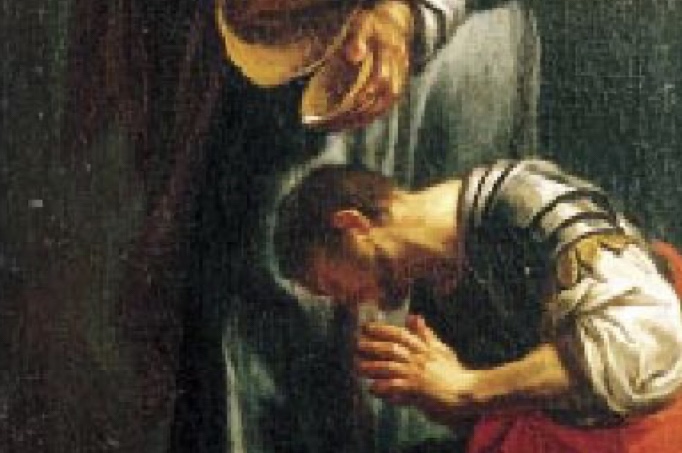
By T.K. Wilson … When Cornelius’s messengers arrived, Peter immediately went with them. When they arrived in the Centurion’s home, he preached the gospel to all who were there. All in the house believed his word, received the Spirit, and were baptized.
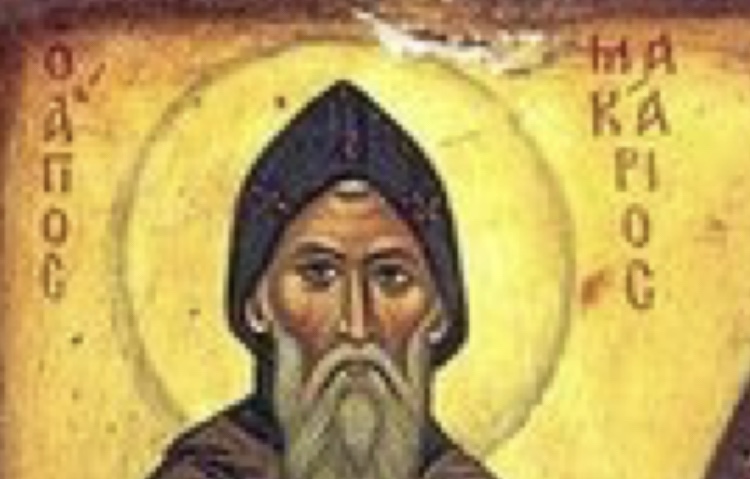
By Sarah Levesque … Macarius the Great, also known as Macarius the Egyptian or Macarius the Elder, was one of the Desert Fathers of the early Church. He was born around the turn of the fourth century in Egypt, the son of a Christian. Originally a camel driver, Macarius was ordained a priest and became a hermit, following the words of an angel that appeared to him twice.
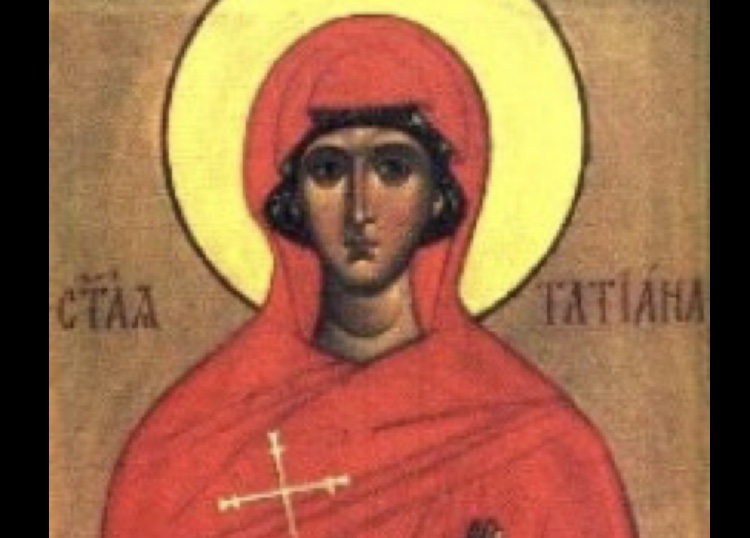
By Ian Wilson … The wicked minister Ulpian had the saintly lady arrested and brought to the temple of Apollo, attempting to force her to sacrifice to the false god. Instead, Tatiana prayed, and the idol of Apollo shattered with a terrible noise. Some witnesses claimed they saw a shadowy being fleeing from the statue.
By T.K. Wilson … The Great Martyr Anastasia was born in Rome, the daughter of a pagan and a secret Christian. During the persecutions of Emperor Diocletian, she ministered to those in prison, slipping out in disguise, keeping this from her pagan husband. She used her wealth to free the captives and also, using her skill as an herbalist, cured many wounds and diseases, hence her title Deliverer from Poisons, as she knew how to reverse poisonings.
By Sarah Levesque … Gregory of Tours was likely born in the Merovingian kingdom (now France) around the year 539. He had many important relations, which likely eventually helped secure his appointment to the bishopric. Be that as it may, Gregory was appointed bishop of Tours during the reign of King Sigebert and Queen Brunhild of East Francia in 573.
St. Narcissus’ origins are lost to history, but he was born at the end of the first century and was appointed as the thirtieth bishop of Jerusalem around 180AD. He was known for his many virtues and his dedication to his office. During his episcopacy, there was a year that the church ran out of lamp oil.
Also known as St. Simeon the Elder, Simeon was born circa 390 in Sisan, Cilicia (modern Syria) to Sisotian and Martha. Simeon became a monk at the age of eighteen…
Also known as St. Simeon the Elder, Simeon was born circa 390 in Sisan, Cilicia (modern Syria) to Sisotian and Martha. Simeon became a monk at the age of eighteen…
While performing a play that satirized the Christian rite of Baptism, Genesius felt the weight of his sins. Claiming to have seen an angel, Genesius demanded to be baptized. The actor playing the priest dumped a basin of water on him, believing this to be part of the show. Genesius, however, was quite serious. He began to preach Christ to the Emperor and all others in attendance, urging them to convert and be baptized.
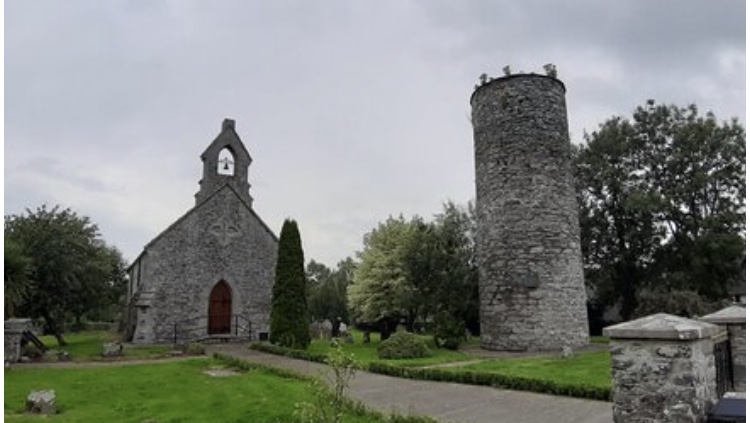
Daig of Iniskeen was born to a noble family sometime in the middle of the Fifth Century, in County Meath, Ireland, possibly near the suburbs of Dublin. His father was named Cayrell, and was a descendant of legendary Irish king Naill of the Nine Hostages.
St. Syncletica was born in Alexandria, Egypt, to wealthy parents around the year 270AD. From an early age she dedicated herself to God, devoting herself to fasting and praying, to the disappointment of her suitors. Upon the death of her parents, who were predeceased by her brothers, she inherited the family wealth. This she distributed to the poor.
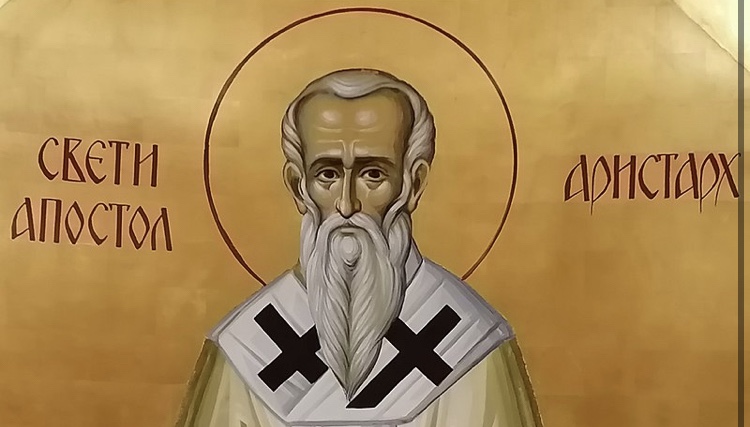
The subtle presence of Aristarchus of Thessalonica can be traced in New Testament scripture. Although he is not mentioned to great extent, it is known that he was considered an apostle – one of the Seventy – and a companion of Paul.
St. Ephraem (also known as Ephrem or Ephraim or Ephraem the Syrian) was born around 306 A.D. in Nisibis, Mesopotamia (modern Turkey). He converted to Christianity as a young man thanks to the teaching of St. James, Bishop of Nisibis.
By Ruth Amsden … The story of the earthly sufferings and the Heavenly visions of St. Perpetua is told in three different voices in The Passion of St. Perpetua.
Pope Martin the First was born in Tuscany, in the late sixth or early seventh century AD. Known for his devotion and piety, he was made an official assistant to Pope Theodore the First. Though Martin was a good and faithful man, it was in this position that his troubles began.
St. Macarius of Jerusalem was the bishop of that city during the time of the First Council of Nicea in 325. Nothing is known of his early life, but he was elevated to the rank of bishop in 312. Macarius was a strong opponent of the heretic Arius…
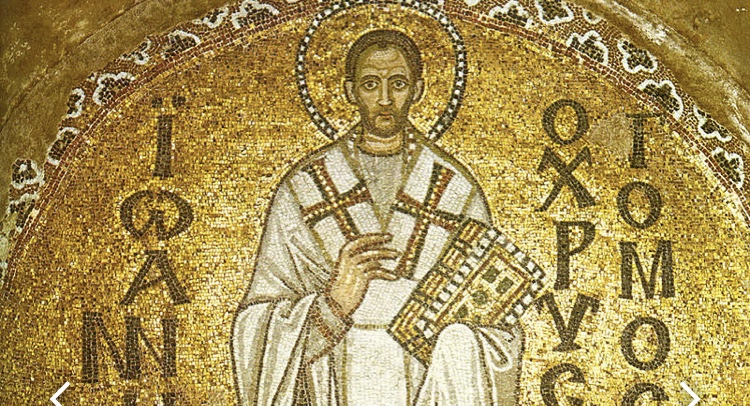
Saint John Chrysostom is a figure in ecclesial history with a stunning breadth of influence. As a writer, preacher, and archbishop, his life was scored with a generative fervor in bolstering and guiding the church.









 LogoSophia Magazine