When you say “Gothic” nowadays, most people tend to think of a style of literature, or music, or aesthetic, or more rarely, architecture. These things, however, have little to do with the historical Goths.
Historians often separate Goths in two subgroups: Visigoths (western Goths) and Ostrogoths (Eastern Goths) but this is only for convenience’s sake. The Goths themselves recognized no such distinction, nor did the Romans at the time.
To Jordanes, the struggle against the Huns was a holy war against the demoniac forces of chaos. The Huns weren’t just savage, they were inhuman. The Huns, like many Asian steppe people, were adept on mounted warfare and deadly with the re-curve bow. They wore armor of leather treated with animal fat to make it more flexible and rain resistant. Their helmets were also of leather, but lined with steel and mail to protect their heads and necks. In close combat, they were skilled with the blade. They were renowned for their cruelty and cunning by all those who had this misfortune of encountering them.
For those who do not know, the Goths and the Huns were two tribes living on the outskirts of the Roman Empire. The clash of these three cultures contributed greatly to the fall of Rome, and affected modern society in a few important ways. By the 4th century, the Roman Empire had grown so large that it had divided itself into two regions: the West and the East. Each had their own Emperor, and had developed their own subcultures though on paper they were still one empire.
Today I smelled tobacco from a pipe
Although there was no one around except
Perhaps the ghost of the hardware store savant
Whose wisdom filled the air along with smoke
If today you find yourself in the company of Texas Rangers, no matter who you are, you know that truth and justice will prevail. But it was not always so, and that is the thesis of Doug J. Swanson’s disturbing but well-documented book, Cult of Glory: The Bold and Brutal History of the Texas Rangers.
He found his DaddyPaw’s young adulthood
In a box of letters from New Mexico
About fighting forest fires and building fence
To the stockyards at Magdalena
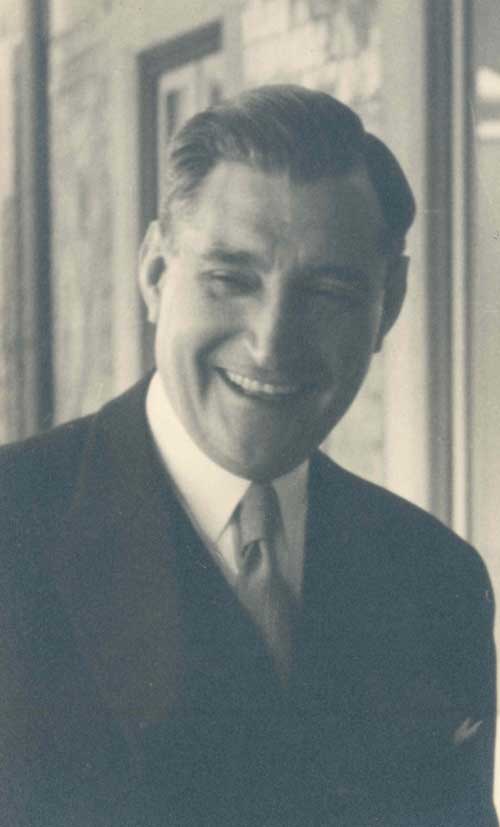
The remainder of Salazar’s career would focus on his efforts to retain the Portuguese Empire. Salazar clearly saw that granting independence to Angola and Mozambique would more than likely result in nothing but an even greater influence for Communism in Africa. Accordingly, he jealously guarded Portuguese Africa until his death.
Many critics, both during Salazar’s life and after his death, accused Salazar of being a fascist dictator. But there were significant differences between the Portuguese nationalism that Salazar encouraged and the German nationalism that Hitler manipulated. Portuguese nationalism was never aggressive…
Salazar approached all three generals directly and demanded that he be given control over all spending as Minister of Finance, and that any legislature which concerned finances have his approval before it became law. The generals refused, and Salazar resigned. He only spent five days in office, from June eleventh to June sixteenth…
As soon as Dr. Antonio de Oliveira Salazar assumed his role as Minister of Finance, he devoted himself to working for the benefit of Portugal. His budgets were balanced, he paid off the debt Portugal owed to England, and he modernized Portugal’s infrastructure and military. On the global stage, he solidified his ties with Great Britain and Spain, while also struggling to keep Portugal and Spain out of World War II.








 LogoSophia Magazine