A Prayer of Petition
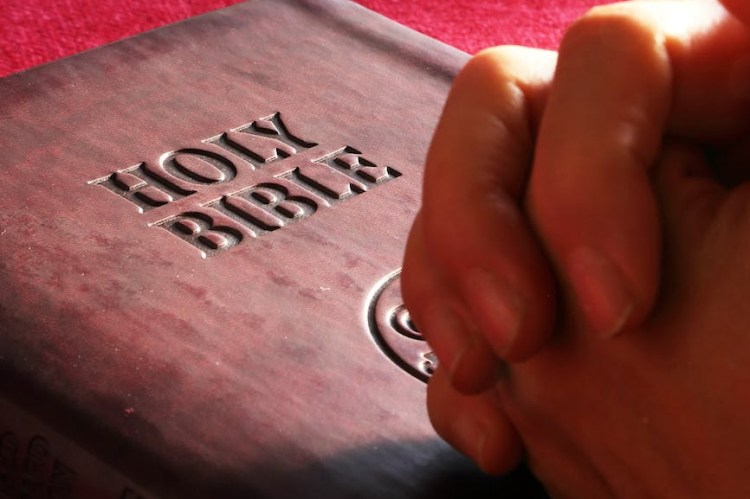
By Joseph Tuttle … Give me Thine eyes / with which to see / those in dire trouble / who send You their plea.
Read More

By Joseph Tuttle … Give me Thine eyes / with which to see / those in dire trouble / who send You their plea.
Read More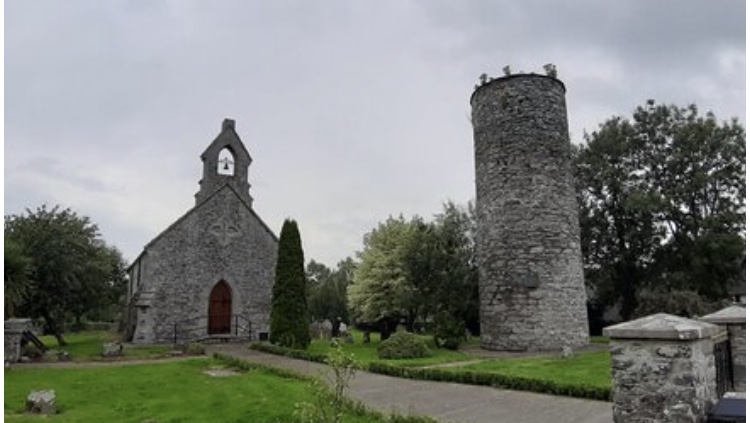
Daig of Iniskeen was born to a noble family sometime in the middle of the Fifth Century, in County Meath, Ireland, possibly near the suburbs of Dublin. His father was named Cayrell, and was a descendant of legendary Irish king Naill of the Nine Hostages.
Read More
By Lawrence “Mack in Texas” Hall … She’s fresh and lovely on the television screen / Promoting a recipe for a sugar-free treat / And fashion tips for being In The Scene – / Her face on the fuel pump is ever so sweet…
Read More
By Ian Wilson … One of the virtues extolled frequently in Scripture is the fear of the Lord. As Proverbs 9:10 says, “The fear of the Lord is the beginning of wisdom, and the knowledge of the Holy One is insight.” Therefore, we cannot even begin to have wisdom without the fear of God.
Read More
St. Syncletica was born in Alexandria, Egypt, to wealthy parents around the year 270AD. From an early age she dedicated herself to God, devoting herself to fasting and praying, to the disappointment of her suitors. Upon the death of her parents, who were predeceased by her brothers, she inherited the family wealth. This she distributed to the poor.
Read More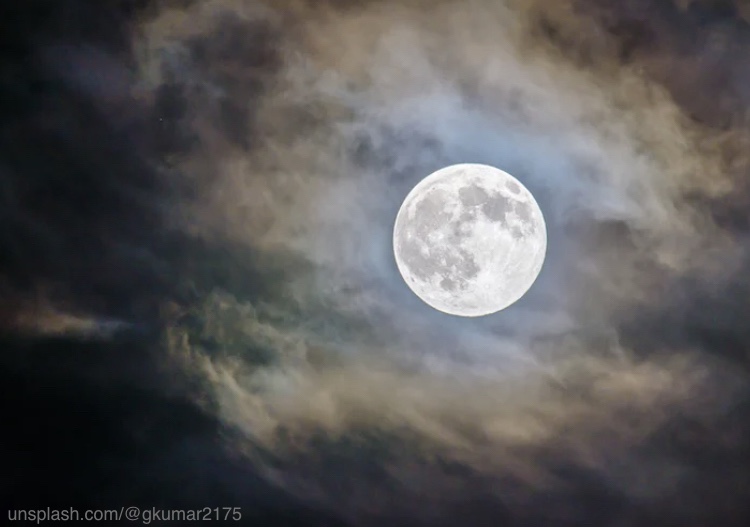
By Lawrence “Mack in Texas” Hall … No one is fully awake in this strange moonlight / The magic won’t work if we think of it / Pirate ships can’t fly if there’s logic about / And lovers would never touch hands
Read More
Join us as we explore the issues of Patriotism! Our staff is all American, but we’ve focused largely on international or historical ideas. Don’t forget to check out the photo contest, Scripture Search, book & media recommendations, and Bible trivia!
Read More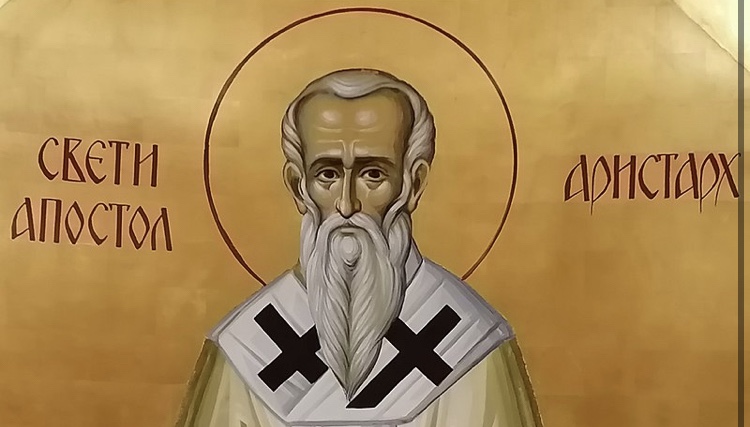
The subtle presence of Aristarchus of Thessalonica can be traced in New Testament scripture. Although he is not mentioned to great extent, it is known that he was considered an apostle – one of the Seventy – and a companion of Paul.
Read More
By Lawrence “Mack in Texas” Hall … Everybody writes about the moon / Often trying to force a balky rhyme / Along the continuum of spoon and croon / Which just won’t fill the bill, the quill, or the time
Read More
By Christian Jordan Michael Wright … What is the meaning crisis? There are dozens of answers… people might point to old philosophical concerns, or to their consequences: widespread mental illness and moral confusion…
Read More
At a young age, Johann Sebastian was tragically orphaned, and was thereafter cared for by his older brother, Johann Christoph. The elder Bach was an accomplished keyboard player, and taught his little brother to play the organ; an instrument the younger Bach would play throughout his life.
Read More
We are holding a contest for the best picture that encapsulates Spring! The winning entry will be put on the Table of Contents page of our Spring issue.
Read More
By Lawrence “Mack in Texas” Hall … Purporting to love nature is a commonplace / This does not mean that nature loves us back / We often look for nature’s smiling face / But nature looks for us as a tasty snack
Read More
By Cordelia Fitzgerald … One wonders, in this age of highly sexualized everything, what exactly that idea of innocent nakedness looked like before the Fall, but it is unlikely that we shall ever know for certain. However, it does seem possible to lay forth three main reasons, stemming from the Fall, for the transition from that state of naked bliss to our current state: clothed.
Read More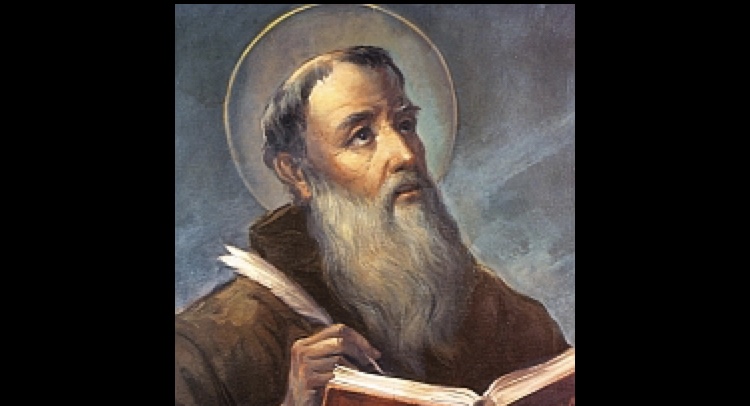
As a young boy, his piety and great oratorical skills were already evident. There is an Italian Christmas custom that young boys can get up and preach a sermon in a church in memory of Jesus in the Temple, and at the age of six, the future Brother Lawrence delivered a sermon so great that even adults were moved to do better in their Christian walk.
Read More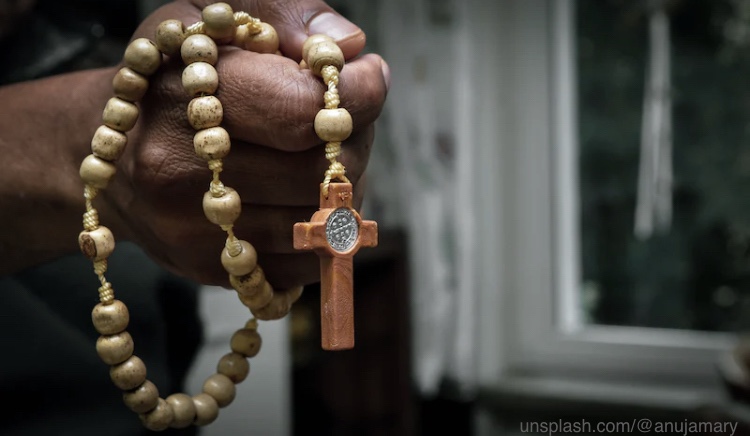
By Lawrence “Mack in Texas” Hall … Great men of thought, of character and strength / Have built from time to time empires of industry / Empires of soldiers and sailors forcing conquests / Of ancient lands and nations for their own purposes
Read More
By Brendan the Writer … The Church is headed towards three crises, I think. And when I say Church I mean ‘every Christian denomination’. Likely every group outside Christianity too is going to undergo these three cataclysmic problems in the next decade.
Read More
Samson Occom, born in the early 18th century to the Mohegan tribe of Connecticut, is known for his influence on Native American populations during the period of the Great Awakening. As a Native American himself, Occom was introduced to the gospel by Eleazer Wheelock’s ministry centralized around a reach towards Native Americans.
Read More
By Lawrence “Mack in Texas” Hall No, of course he’s not an Amazon; he’s a manNavigating a big ol’ delivery truck through lifeFerrying to addresses this side of the StyxBrown pasteboard boxes and white plastic envelopes I wanted to ask him about his goal in lifeBut he was in a hurry to turn aroundAnd continue […]
Read More
By Cordelia Fitzgerald …we, as a human race, are curious. We are also, for the most part, control freaks. We are usually looking for assurance about the things we expect from life, and thus we have receipts, signatures, IOU’s, and contracts.
Read More
