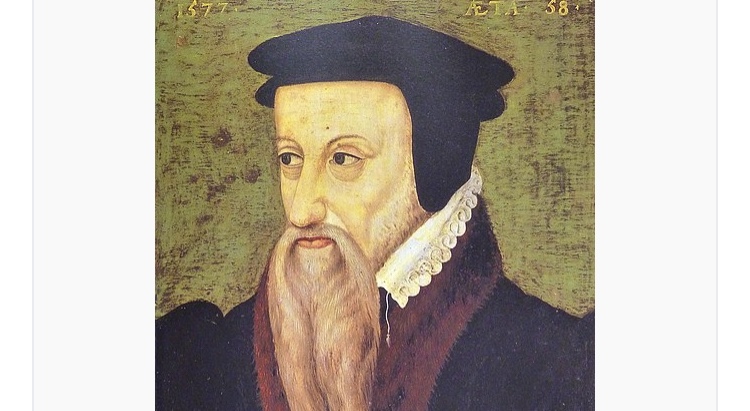
Theodore de Beze was born on June 24, 1519, in Vezelay, France. He studied to be a lawyer then set up practice in Paris, where he also wrote poetry. At one point he became very ill and, once he recovered, he sought out the famous reformation leader John Calvin, who was living in Geneva, Switzerland. There, Beza became a professor of Greek, then he travelled Europe preaching the Protestant cause.
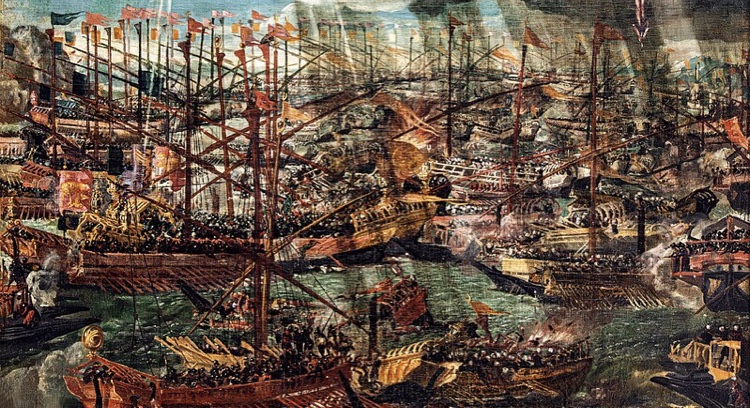
The Battle of Lepanto was, in many ways, the pivotal moment of this ongoing strife. There was much at stake, particularly as the number of Christian hostages had accumulated astronomically over the years.
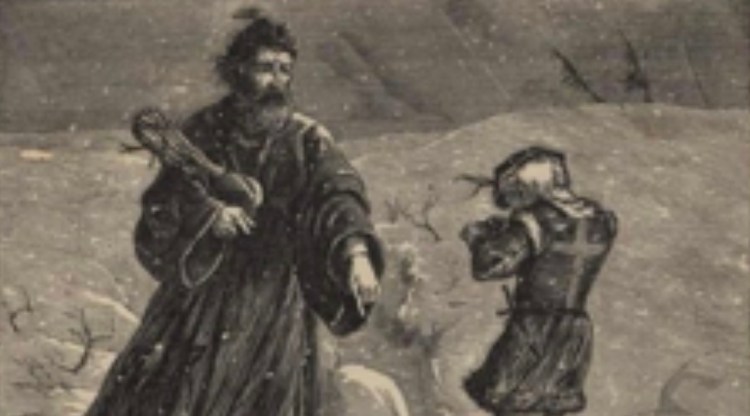
“Good King Wenceslaus” is largely remembered today in the old Christmas carol that actually takes place on the second day of Christmas – December 26th, St. Stephen’s Day. In the song, Wenceslaus is revered as kind, gracious, courageous, and persevering. The real Wenceslaus, a prince of Bohemia, was born around the year 903AD to Duke Wratislaw (son of the devout Princess Ludmilla) and his wife Dragomir.
One of the most influential figures in both high-church Anglicanism and Catholicism, John Henry Newman was born in the city of London in the year 1801. His father, John, was a banker. The eldest of six, Newman was brought up a Calvinist and eventually went to Trinity College to complete his education as an Anglican priest.
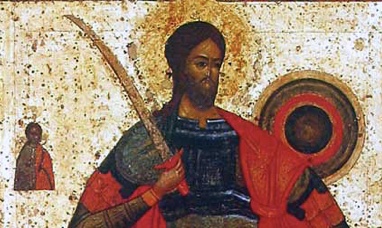
Nicetas (also spelled Niketas) was a member of the Gothic people and lived near the Danube River in what is now Romania. We do not know under what circumstances Nicetas was brought to the Christian faith, but we do know he was baptized by Bishop Theophilis of the Goths.
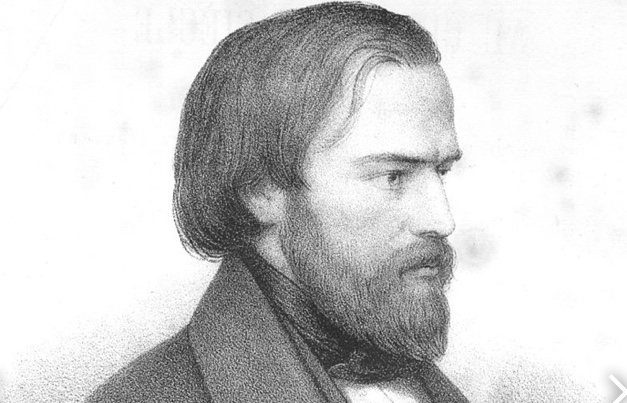
This realization spurred these students towards serving the impoverished around them, namely in the establishment of the Conference of Charity, later called the Society of Saint Vincent de Paul, after Ozanam’s role model.
Also known as St. Simeon the Elder, Simeon was born circa 390 in Sisan, Cilicia (modern Syria) to Sisotian and Martha. Simeon became a monk at the age of eighteen…
Also known as St. Simeon the Elder, Simeon was born circa 390 in Sisan, Cilicia (modern Syria) to Sisotian and Martha. Simeon became a monk at the age of eighteen…
While performing a play that satirized the Christian rite of Baptism, Genesius felt the weight of his sins. Claiming to have seen an angel, Genesius demanded to be baptized. The actor playing the priest dumped a basin of water on him, believing this to be part of the show. Genesius, however, was quite serious. He began to preach Christ to the Emperor and all others in attendance, urging them to convert and be baptized.
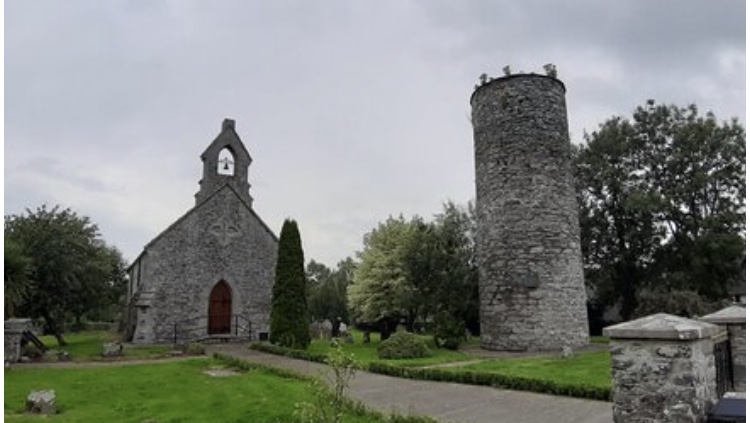
Daig of Iniskeen was born to a noble family sometime in the middle of the Fifth Century, in County Meath, Ireland, possibly near the suburbs of Dublin. His father was named Cayrell, and was a descendant of legendary Irish king Naill of the Nine Hostages.
St. Syncletica was born in Alexandria, Egypt, to wealthy parents around the year 270AD. From an early age she dedicated herself to God, devoting herself to fasting and praying, to the disappointment of her suitors. Upon the death of her parents, who were predeceased by her brothers, she inherited the family wealth. This she distributed to the poor.
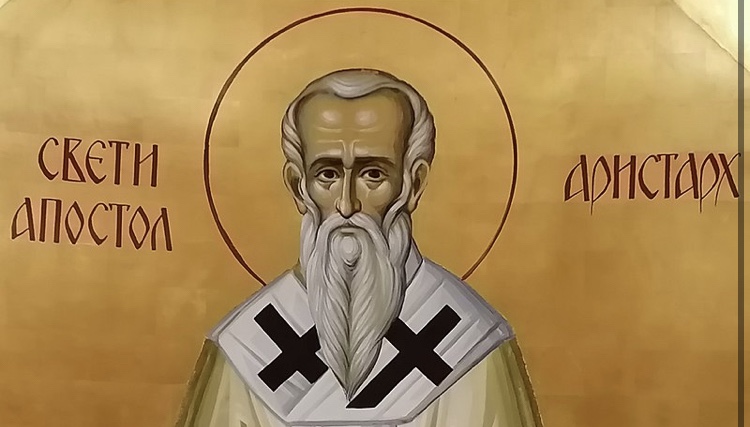
The subtle presence of Aristarchus of Thessalonica can be traced in New Testament scripture. Although he is not mentioned to great extent, it is known that he was considered an apostle – one of the Seventy – and a companion of Paul.
At a young age, Johann Sebastian was tragically orphaned, and was thereafter cared for by his older brother, Johann Christoph. The elder Bach was an accomplished keyboard player, and taught his little brother to play the organ; an instrument the younger Bach would play throughout his life.
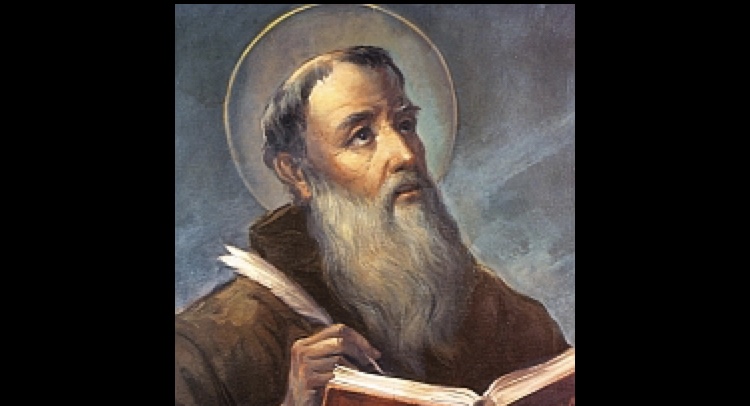
As a young boy, his piety and great oratorical skills were already evident. There is an Italian Christmas custom that young boys can get up and preach a sermon in a church in memory of Jesus in the Temple, and at the age of six, the future Brother Lawrence delivered a sermon so great that even adults were moved to do better in their Christian walk.
Samson Occom, born in the early 18th century to the Mohegan tribe of Connecticut, is known for his influence on Native American populations during the period of the Great Awakening. As a Native American himself, Occom was introduced to the gospel by Eleazer Wheelock’s ministry centralized around a reach towards Native Americans.
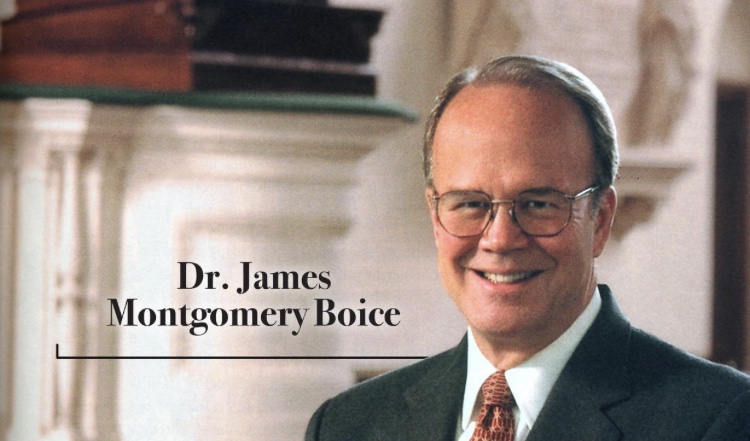
In 1668, Boice became the minister of Tenth Presbyterian Church in Philadelphia, PA, where he would stay for the rest of his 61 years. During that time, he tripled his congregation, wrote a multitude of books and commentaries, started multiple schools and charitable organizations, taught and evangelized through the radio program The Bible Study Hour…
By Ian Wilson (Rated G) Little is known of the life of Irenaeus, one of the great theologians of the Early Church. It is believed that he was born in Smyrna in Asia Minor (modern Turkey) around the early part the second century, AD. There, he heard Polycarp, another early church father, preach. Irenaeus served […]
St. Ephraem (also known as Ephrem or Ephraim or Ephraem the Syrian) was born around 306 A.D. in Nisibis, Mesopotamia (modern Turkey). He converted to Christianity as a young man thanks to the teaching of St. James, Bishop of Nisibis.
By T.K. Wilson (Rated G) Irene, Great-Martyr of Thessalonica, was born Princess Penelope to pagan parents. Afraid his daughter would be influenced by Christianity (as no doubt the stories of other high-born ladies who dedicated themselves to Jesus had reached him), he locked her up in a tower with thirteen other girls. Because God finds […]
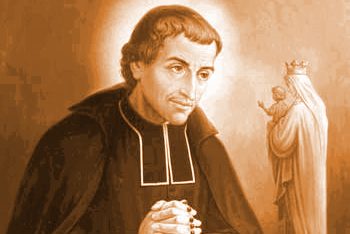
St. Louis Grignion de Montfort was known for his deep devotion and sensitivity towards Christ and the Church from even the days of his childhood. As he matured, he directed this passion towards the study of theology, which he undertook in Paris. It was here, at the seminary of Saint-Sulpice, that Montfort uncovered a particular interest in the Virgin Mary – which would prove to be one of the most defining facets of his life and ministry.









 LogoSophia Magazine