By Ian Wilson … There have been many hymn writers in the history of the Christian Church, but few have been as influential on church music as Reginald Heber. Heber was born on April 21st, 1783, to a wealthy and educated family, who were able to afford to give Reginald a good education. He was something of a child prodigy, translating Latin classics to English at only seven years old.
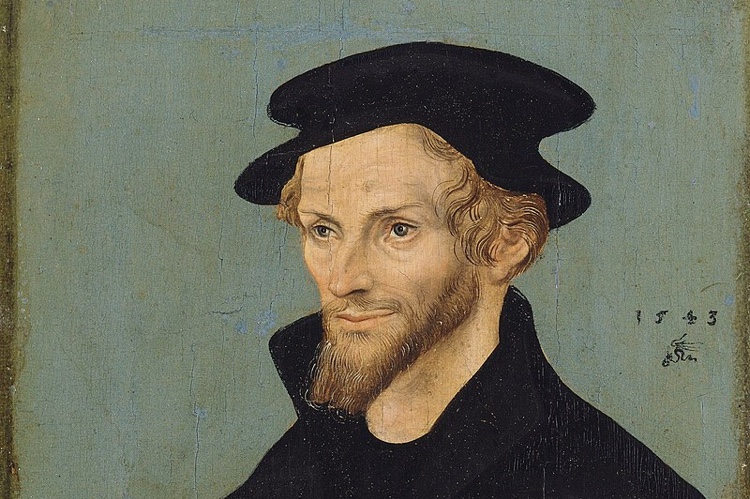
By Ian Wilson … The Lutheran Church’s first systematic theologian was born on February 16th, 1497, in Bretten, Germany. He was given the name Philip Schwarzerdt, but at the urging of his uncle, Johann Reuchlin, he changed it to the Greek name, Melanchthon, to reflect his status as a scholar.
Faithful Friday: Martin Luther by Ian Wilson … Perhaps the most controversial figure in Western Christianity, Martin Luther was born on November 10, 1483, in Eisleben, Saxony. His father had become prosperous in the copper industry, and made enough to give young Martin a good education.
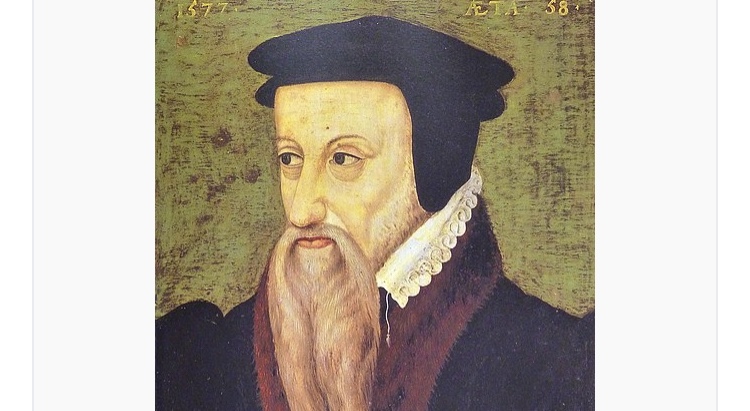
Theodore de Beze was born on June 24, 1519, in Vezelay, France. He studied to be a lawyer then set up practice in Paris, where he also wrote poetry. At one point he became very ill and, once he recovered, he sought out the famous reformation leader John Calvin, who was living in Geneva, Switzerland. There, Beza became a professor of Greek, then he travelled Europe preaching the Protestant cause.
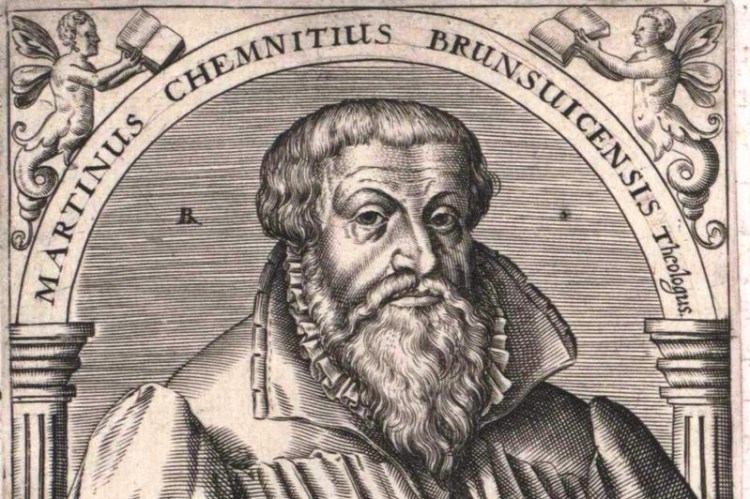
Martin Chemnitz (1522-1586) was a second wave Lutheran, often known as “the Second Martin” as his contributions to the Lutheran faith were second only to those of Martin Luther.
When I was a girl, in small-town America, /
There was a street called Parallel, /
Where we Protestants ran alongside the /
Catholics – an historical microcosm of /
Our ancestral nations.






 LogoSophia Magazine