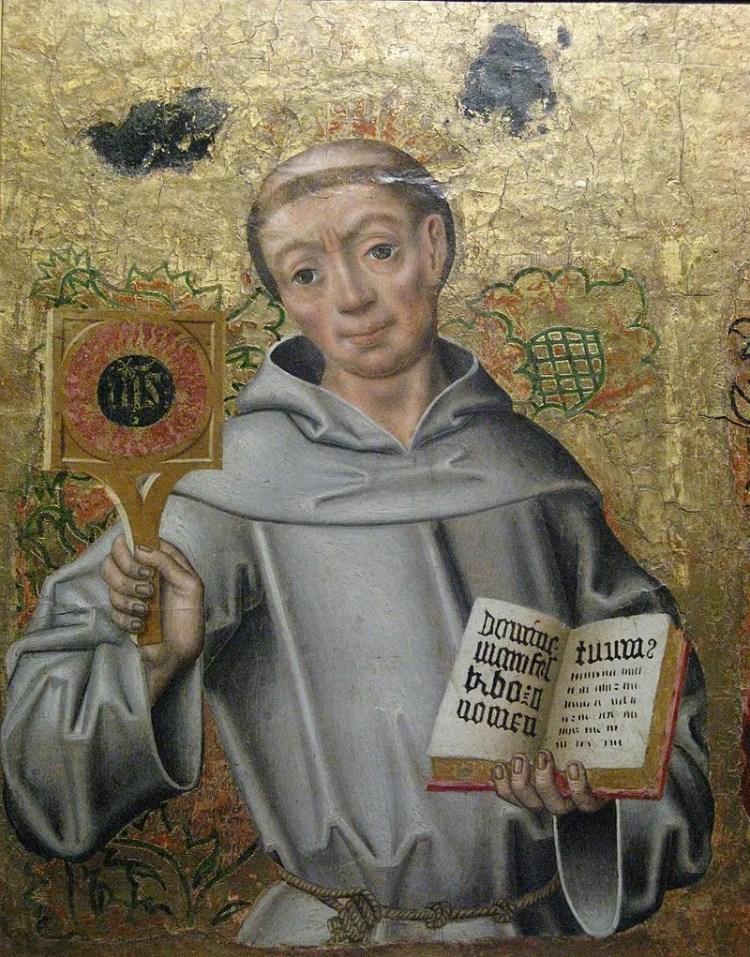
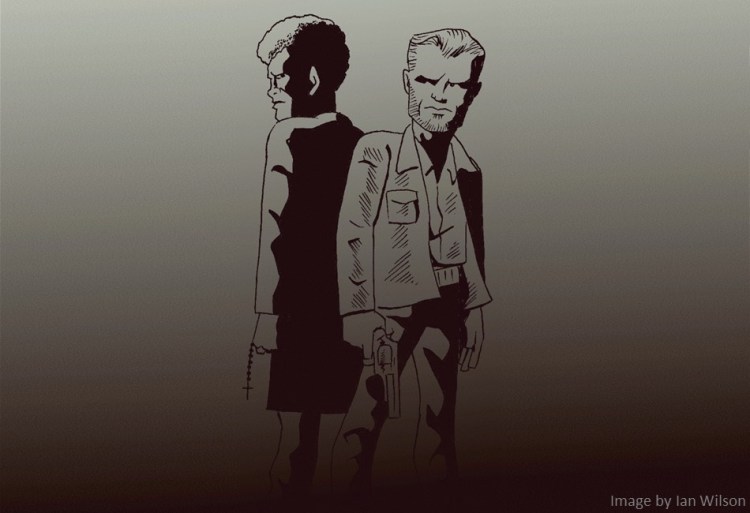
By Ian Wilson (Rated G) Bernardine had always been pious, even as a youth. Born to a wealthy family of Tuscany in 1380, Bernardine was orphaned at the young age of six, and raised by his aunt. He was known to practice many spiritual disciplines at his tender age, and had a great heart for […]
Cyrene is a region in the Roman province of Libya in North Africa, which has led to some speculation that Simon of Cyrene was black. The fact is, we do not know the color of his skin. We do know that Cyrene had a large population of the Jewish diaspora. Simon, like many Jews, had likely come to Jerusalem to celebrate the passover.
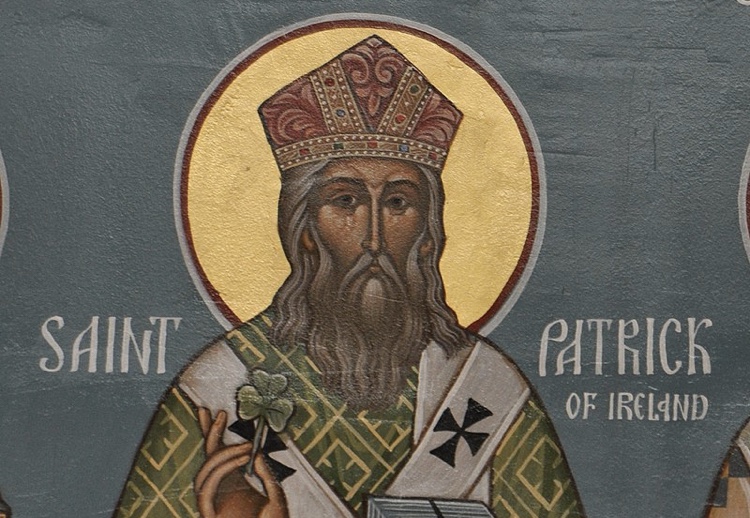
St. Patrick is one of the most recognized names in Christianity, yet few know his full story. He was born sometime in the fifth century to a wealthy British deacon named Calpurnius, but he did not follow his father’s faith. After a rebellious youth, Patrick was captured by Irish slavers and taken back to Ireland.
Join us as we explore the issues of Life! In this issue you will find poetry, two new stories, discussions of human dignity, and plenty more! Also, check out our photo contest entries on page six!
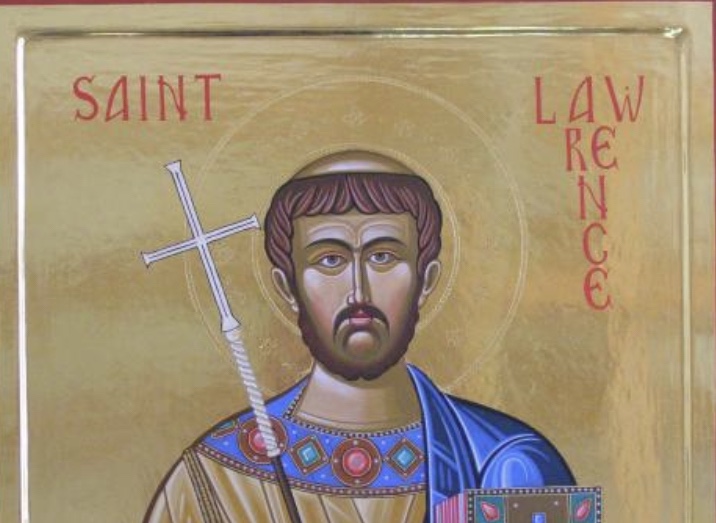
Lawrence of Canterbury was one of the early missionaries sent to Britain from Rome along with St. Augustine of Canterbury. After Augustine’s death around 604, Lawrence succeeded him as Archbishop of Canterbury.
When you say “Gothic” nowadays, most people tend to think of a style of literature, or music, or aesthetic, or more rarely, architecture. These things, however, have little to do with the historical Goths.
Historians often separate Goths in two subgroups: Visigoths (western Goths) and Ostrogoths (Eastern Goths) but this is only for convenience’s sake. The Goths themselves recognized no such distinction, nor did the Romans at the time.
To Jordanes, the struggle against the Huns was a holy war against the demoniac forces of chaos. The Huns weren’t just savage, they were inhuman. The Huns, like many Asian steppe people, were adept on mounted warfare and deadly with the re-curve bow. They wore armor of leather treated with animal fat to make it more flexible and rain resistant. Their helmets were also of leather, but lined with steel and mail to protect their heads and necks. In close combat, they were skilled with the blade. They were renowned for their cruelty and cunning by all those who had this misfortune of encountering them.
For those who do not know, the Goths and the Huns were two tribes living on the outskirts of the Roman Empire. The clash of these three cultures contributed greatly to the fall of Rome, and affected modern society in a few important ways. By the 4th century, the Roman Empire had grown so large that it had divided itself into two regions: the West and the East. Each had their own Emperor, and had developed their own subcultures though on paper they were still one empire.
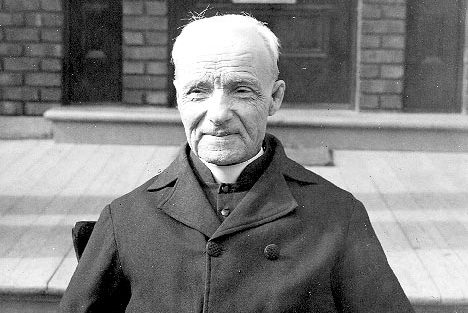
Through trials, rigors and the initial skepticism of the brethren, Alfred persevered, joining the religious order known as the Congregation of the Holy Cross. As a novice, he learned to read (a skill he had not learned as a child) and memorized many portions of Scripture and of the writings of the saints. He received Holy Orders on August 22, 1872, taking the name Brother Andre. He was then assigned to serve as a porter at the College of Notre Dame, which he served admirably, despite ill-treatment by his superior. Once again, he persevered without the slightest complaint as he always had before.
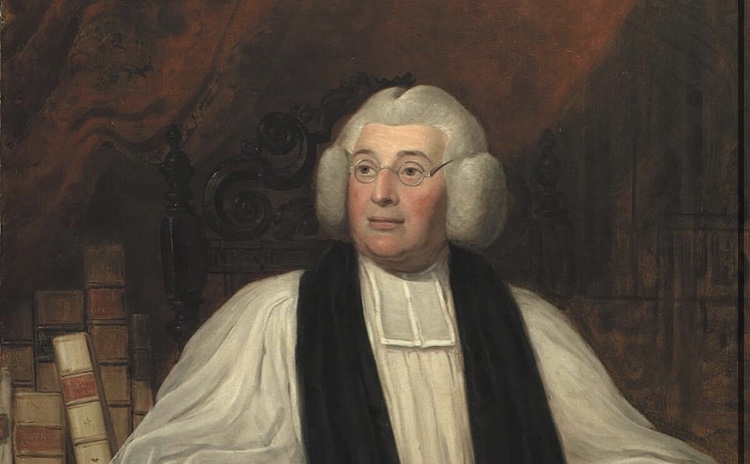
Thomas Burgess was an accomplished Anglican Bishop, theologian, linguist, and abolitionist. He was born on November 18, 1756 in Hampshire to a grocer. He was educated at Odiham Grammar School, before moving on to Winchester and finally to Corpus Christi College at Oxford.
I am what some might call a Calvinist, though I do not like that term. It isn’t one that Calvin would approve of, and Calvin was not in the strictest sense a theologian. He was a lawyer with a side gig in theology.
John Jewel was one of the most important theologians of the English Reformation and was instrumental in establishing the Anglican church as a lasting institution. Indeed, in many ways Anglicans owe their continued existence to John Jewel.
Perhaps one of the most significant mothers in the history of the church, besides Mary herself, St. Monica is remembered as the mother of one of the greatest theologians in Western Christianity: Augustine of Hippo.
Monica was a very pious and charitable woman who lived in the North African town of Tagaste.
“Last night Matilda took my axe and attacked the mirror! Smashed it to smithereens! Kept goin’ on about a critter in the mirror! I didn’t see it, but she swears up and down she’s seen it. Now she’s practically beside herself, because of all the critters in the woods around our house!”
Many may know Saint Bonaventure’s name, but few know his story. This pious Franciscan monk was born in 1221 in Bagnoregio, Italy. He was initially baptized as John, but changed his name to Bonaventure when he joined the Franciscans. During a bout of severe illness in his youth, Bonaventure’s mother asked for the intercession of the recently canonized Saint Francis of Assisi.
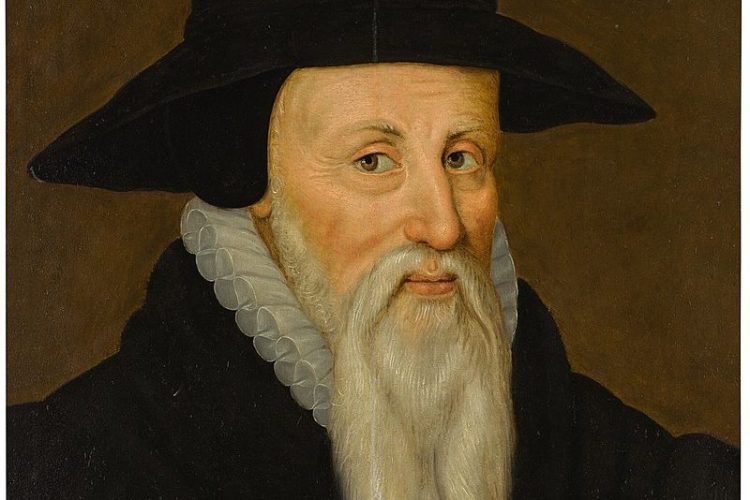
Theodore Beza was one of the lesser known Reformed theologians of the first hundred years of the Reformation, however, his influence on the Reformed movement cannot be denied.
Nothing is known of the youth of the Apostle to the English. What we do know is that he was born sometime in the sixth century and was probably upper-class Roman. He was close friends with Pope Gregory the Great, and his mission to Britain was by the Pope’s specific request…
“It’s resurfaced,” Therese said.
“What has?” I inquired.
“The Codex Hyperborea.”
Beads of cold sweat formed on my brow. The Codex Hyperborea was possibly the oldest, rarest and most sought-after grimoire in existence. That knowledge should have never seen the light of day.
on May 13th, 1917, three children tending sheep outside of Fatima, Portugal were visited by the Virgin Mary. Over the next several months, Mary appeared to the children on the 13th of every month to deliver visions of future events, including the end of World War I, the beginning of another war, and other important events in their future.









 LogoSophia Magazine