When followers of Jesus Christ pursue lives of self-sacrificial ministry, the gospel comes to life
in a truly palpable way. St. Peter, self-proclaimed “slave of the Negroes forever,” embodied this
with particular fervor and impact.
Gregory the Great (Gregory I), pope and saint, was born dur the 500s AD (the exact date is unknown). He came from a very prestigious family, being the great-great-grandson of Pope Felix the Third (who lived before celibacy was required of clergy) and the son of a senator.
Perhaps one of the most significant mothers in the history of the church, besides Mary herself, St. Monica is remembered as the mother of one of the greatest theologians in Western Christianity: Augustine of Hippo.
Monica was a very pious and charitable woman who lived in the North African town of Tagaste.
Alexander Henderson was born in Creich, County Fife, Scotland in 1583. After graduating with honors from St. Andrew’s College, he went right to work as a churchman, at first staunchly on the side of the Episcopate. At that time, the Church of Scotland was debating the form of church governance they wanted: the Anglican model where the church was governed by bishops, or the Presbyterian model where the church would be governed by members of the congregation. This was more than just a debate within the church; to defy the episcopate was also to defy the King.
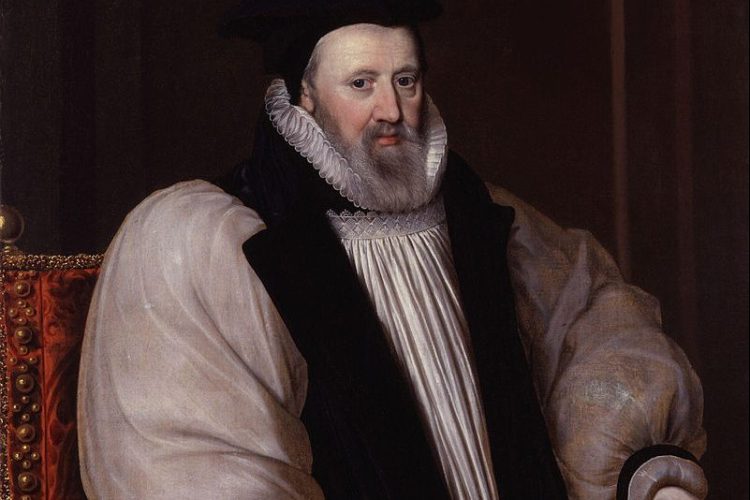
George Abbot, historically known as Archbishop of Canterbury, was born in 1562 in the humble town of Guildford, England. Abbot studied at Oxford, where he demonstrated academic excellence in intense theological study…
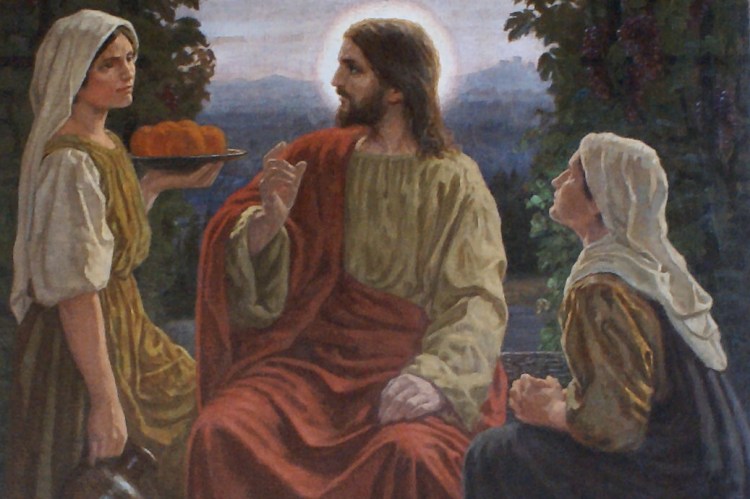
“Martha, Martha, you are worried and distracted by many things…” (Luke 10:41). This is probably not what Martha expected she would be known for, on the off chance she expected to be remembered at all.
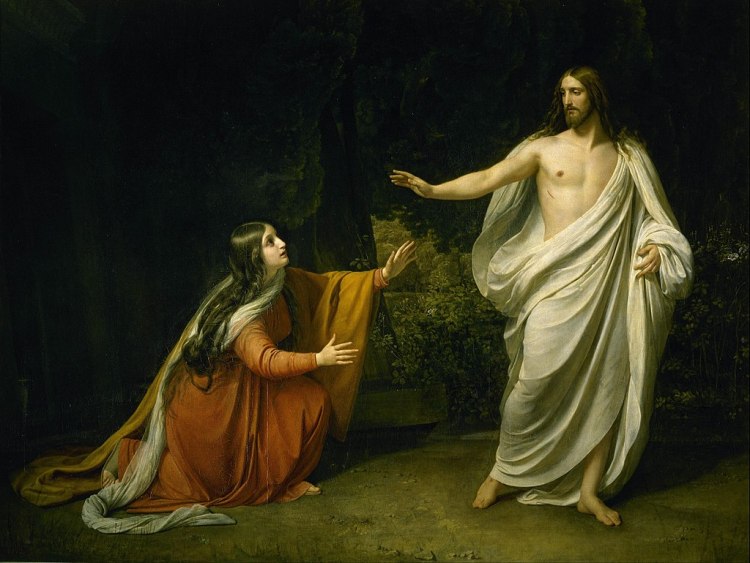
Among all the women in the Bible, none remain so controversial as Mary Magdalene, a mysterious female disciple who was very close to Jesus, almost as close as the Twelve.
Many may know Saint Bonaventure’s name, but few know his story. This pious Franciscan monk was born in 1221 in Bagnoregio, Italy. He was initially baptized as John, but changed his name to Bonaventure when he joined the Franciscans. During a bout of severe illness in his youth, Bonaventure’s mother asked for the intercession of the recently canonized Saint Francis of Assisi.
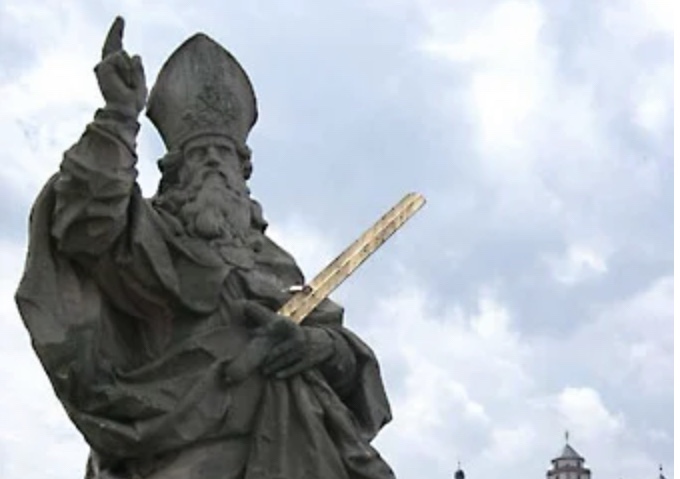
St. Kilian (sometimes spelled “Killian” or “Cillian”) was born in the mid 600s in Ireland. He became a missionary and a traveling bishop in the custom of the Irish Church…
If you’ve ever heard the Ink Spots’ 1940 hit “When the Swallows Come Back to Capistrano”, you have St. Junipero Serra to thank. Junipero was born Miquel Serra on Majorca, an island off the coast of Spain. He joined the Franciscan monks…
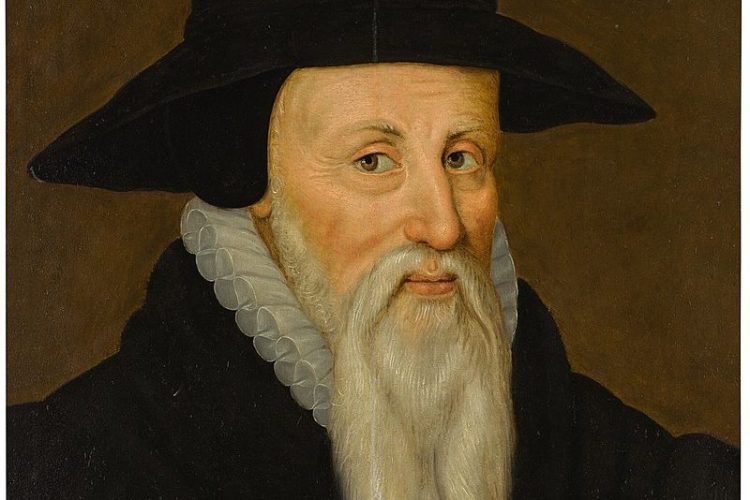
Theodore Beza was one of the lesser known Reformed theologians of the first hundred years of the Reformation, however, his influence on the Reformed movement cannot be denied.
John Vernon McGee was born in 1904 in Hillsboro, Texas. His family moved to Tennessee when his father died in 1918. Vernon, as he was known, graduated college then seminary, then became the pastor of a church first in Decatur, Georgia, and afterward in Cleburne, Texas. It was there that Vernon met his future wife, Ruth Inez Jordan.
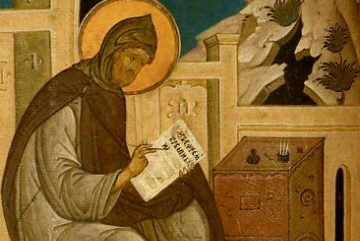
Ephrem the Syrian was born in Nisibis, in the province of Mesopotamia (now Nusaybin, Turkey, lying 166 miles from Mosul, Iraq) in approximately 306 AD… Ephrem was baptized as a youth and began right away in building up the Body of Christ in Nisibis as a deacon. It is also highly likely that he was a “son of the Covenant,” an early type of friar or lay brother. As a deacon, he used his gift as a poet and composer to write instructional hymns, teaching the people to confront heresy through song.
Justin Martyr was an early Christian apologist, born about the year 100 AD. He was a student of philosophy and was converted circa 130 AD in part by the witness of martyrs going joyfully to their deaths.
Nothing is known of the youth of the Apostle to the English. What we do know is that he was born sometime in the sixth century and was probably upper-class Roman. He was close friends with Pope Gregory the Great, and his mission to Britain was by the Pope’s specific request…
Lydia of Philippi is one of the comparatively few women mentioned by name in the Acts of the Apostles, but very little is known about her. Acts 16:11ff tells us that Lydia sold purple cloth, that she was from Thyatira, and she was a believer who took Paul, Silas, and Luke into her home when they arrived in Philippi.
on May 13th, 1917, three children tending sheep outside of Fatima, Portugal were visited by the Virgin Mary. Over the next several months, Mary appeared to the children on the 13th of every month to deliver visions of future events, including the end of World War I, the beginning of another war, and other important events in their future.
Dominic Savio was born to Carlo (or Charles) and Brigitta Savio on April 2, 1842, one of ten children. At age seven, Dominic wrote down four resolutions, the fourth of which was “Death before sin.”
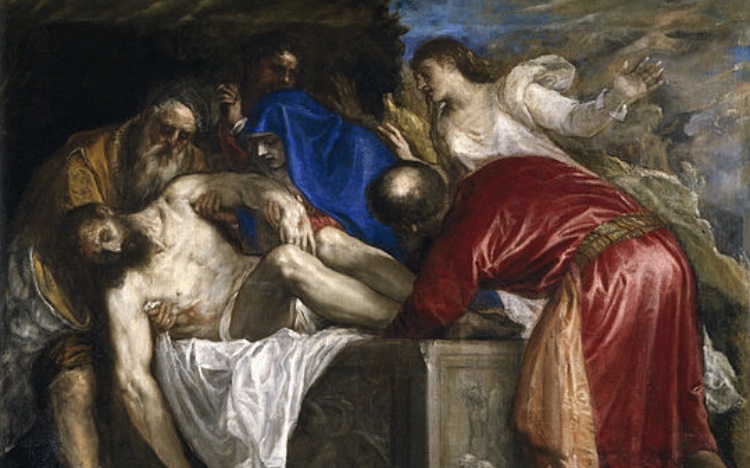
Joseph of Arimathea was a man who followed Jesus Christ from a distance. He was a wealthy member of the Sanhedrin, the leaders of the Jewish community.
St. Theodore of Sykeon’s mother Mary was given a vision of a star, coming down from Heaven and entering her womb. His father Cosmas and various holy men interpreted Mary’s vision to mean the newly conceived child was to be a holy man of God.